
5-9 July 2027
Sydney, Australia
International participants should check which Australian visa is appropriate for their passport, role at CUPUM 2027, planned activities and length of stay. Attending the conference and being invited to speak or otherwise contribute to it can have different visa requirements.
Delegates: If you are attending but will not be paid to contribute, you may be eligible for a Visitor visa (subclass 600), Electronic Travel Authority (subclass 601) or eVisitor (subclass 651), depending on your circumstances and passport.
Information provided by the Australian Government – Department of Home Affairs
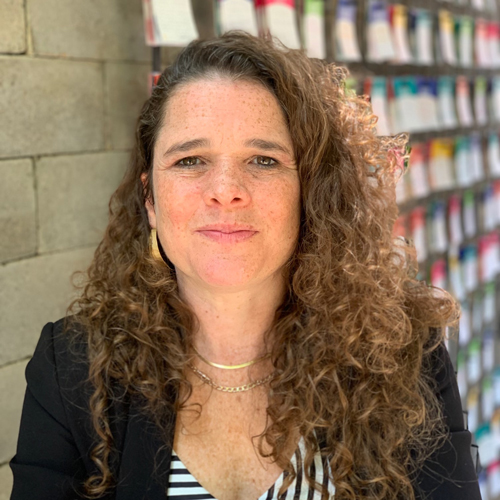
Sarah Williams is a Professor of Technology and Urban Planning at MIT, where she directs the Civic Data Design Lab and the Norman B. Leventhal Center for Advanced Urbanism. Trained in
computation and design, she creates tools and visualizations that make complex urban issues visible to the public, a process she calls Data Action, also the title of her recent MIT Press book. Her projects, ranging from mapping informal transit systems to visualizing the cost of migration, aim to spark dialogue and drive policy change. Her work has been exhibited at the Guggenheim, MoMA, the Venice Biennale, and the Cooper Hewitt, and has been presented to Congress. She has received numerous awards for innovation in design and civic engagement. Before MIT, she co-directed the Spatial Information Design Lab at Columbia University.
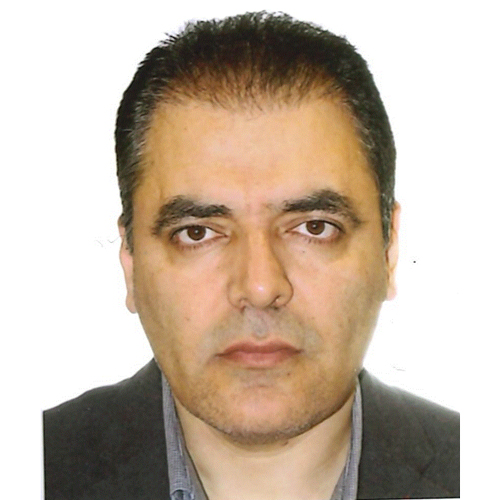
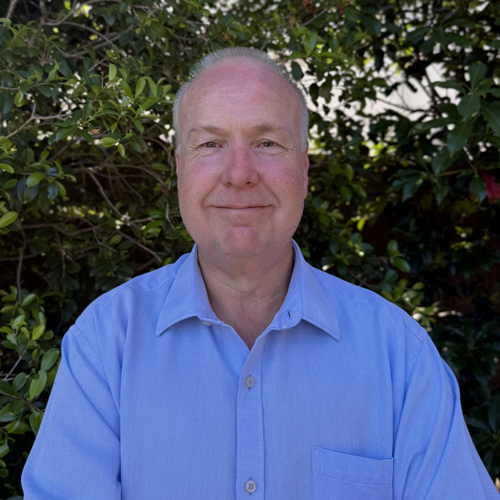
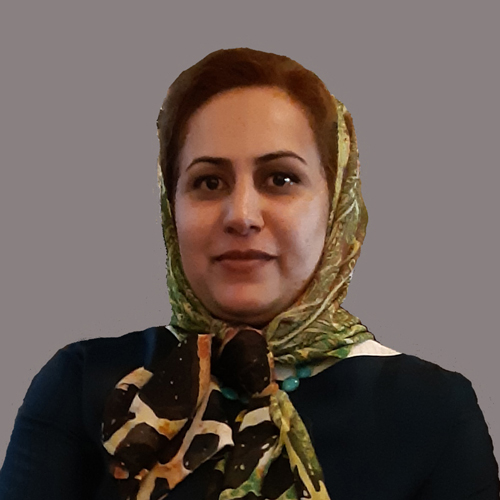

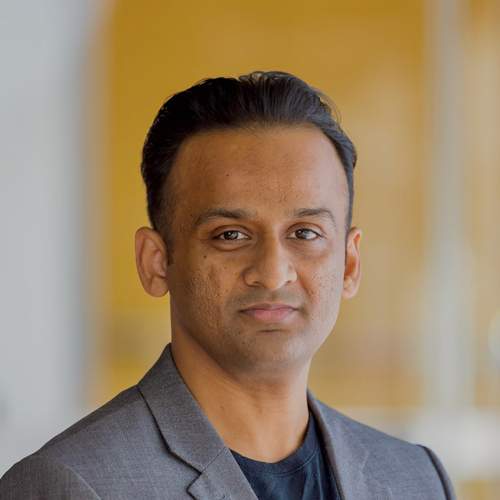
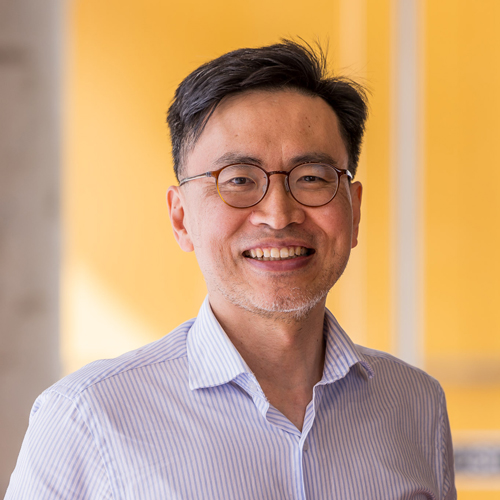
Hoon Han is Professor of City Planning, Director of the UNSW Cities Institute and Associate Director of the City Futures Research Centre. His research focuses on Urban AI, smart cities and automated real estate analytics, using methods including machine learning, spatial modelling and 3D visualisation.
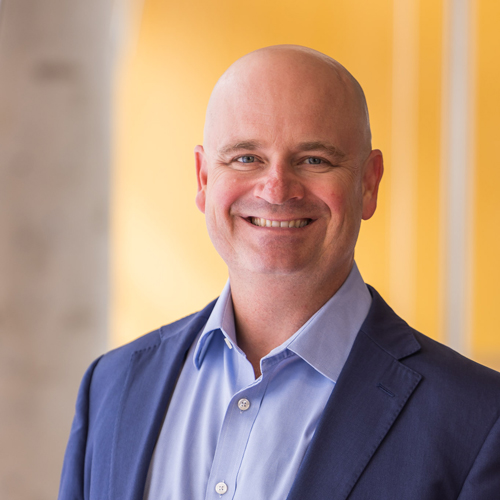
Chris Pettit is Scientia Professor and Director of the City Futures Research Centre at UNSW Sydney and Chair of the CUPUM Board of Directors. His expertise sits at the intersection of city planning and digital technologies, including GIS, planning support systems, urban analytics and data-driven approaches to future city scenarios.